Most businesses know they need more content. Blog posts, social media, video, email campaigns, case studies. The list is long and the time to produce it is short.
The usual solutions are expensive. A junior content executive costs £24,000 to £28,000. A freelancer costs more per hour and delivers less context. An agency delivers the work but not the in-house capability.
A content creator apprentice is different. Here is why.
What a content creator apprentice actually does
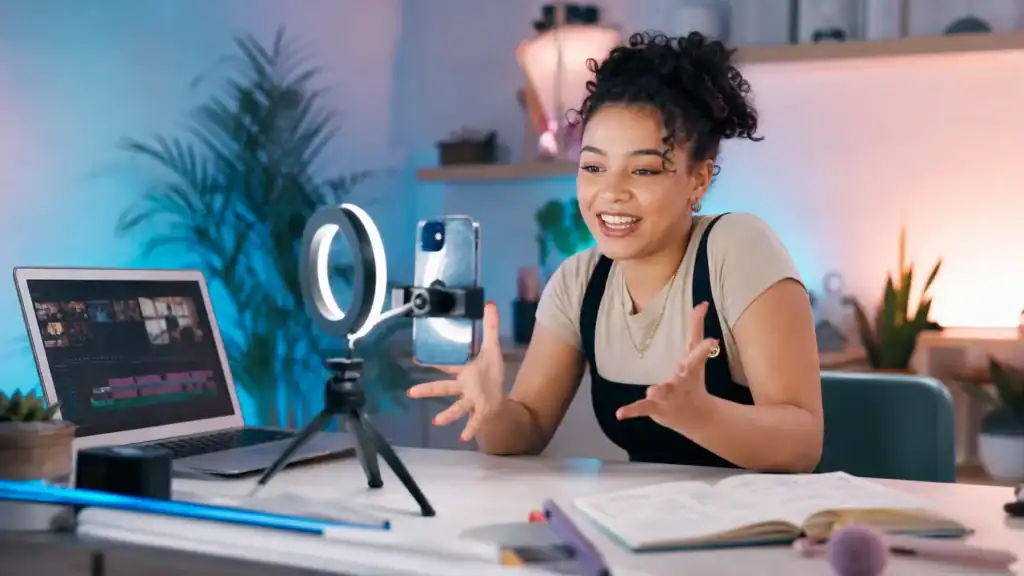
The Level 3 Content Creator apprenticeship covers written, visual and audio content production across digital, social, broadcast and print. Your apprentice works to real briefs, researches audiences, develops messaging and produces assets that go live.
By month three, a well-onboarded apprentice is producing social posts, drafting copy, editing short-form video and contributing to campaign planning. By month six, they understand your brand, your audience and your processes well enough to work with increasing independence.
They are not a junior doing admin with occasional content tasks bolted on. They are hired specifically to produce content, and the programme is designed to build that capability from day one.
The cost comparison
A content creator apprentice earns a salary you set – typically between £18,000 and £22,000 in the first year. Training costs are 95% funded by the government for non-levy employers, or fully covered by the levy for larger businesses.
Against a £26,000 junior hire, the wage saving alone is significant. But the bigger difference is the training. The apprentice’s skills are being built systematically over 12 months, not assembled from whatever experience they happened to pick up in a previous role.
What the apprenticeship covers
The Level 3 Content Creator standard was developed with industry input and covers the skills employers actually need.
Written content – copywriting, editing, adapting tone for different audiences and platforms.
Visual content – basic design, image selection, asset creation for digital use.
Video and audio – short-form production, editing, scripting.
Strategy and planning – audience research, brief interpretation, content calendars, performance review.
The apprentice also develops professional behaviours – working to deadlines, managing feedback, communicating with stakeholders. By the end of the programme, you have someone who can operate across your content function with real skill.
What Vocate does
We handle the recruitment. Once you tell us what you need, the type of content, the platforms you use, the kind of person who would fit your team, we run the search, screen candidates and send you a shortlist.
We manage the training. All sessions are online, scheduled around your working week. No disruption, no block release days.
We stay involved. Your apprentice gets a dedicated tutor and regular check-ins. You get a single point of contact at Vocate for anything that comes up.
The right fit
Content creator apprenticeships work best for businesses that have a genuine volume of content to produce – not businesses looking for occasional social posts. If your marketing function needs regular output across more than one channel, an apprentice gives you dedicated resource at a cost that makes sense.
They also work for businesses that want to build in-house capability rather than rely on agencies or freelancers indefinitely. The apprentice learns your brand, your voice and your processes. That knowledge stays in the business after they qualify.
If you want to talk through whether a content creator apprentice fits your team, contact Vocate. We will help you work out whether it is the right route before you commit to anything.